Current campaign · 2027 Farmer Field School
Fund the next phase of farmer-led agroforestry.
Building Carbon is assembling the direct and Rotary-club commitments required to deepen a farmer-led agroforestry network across coastal Ecuador. The 2027 phase combines new farmer training with expanded participant systems, stronger farmer-promoter leadership, rural youth skills, and continued field monitoring.
Campaign commitmentsTargeted by early October 2026
Grant assemblyFunding pathway prepared for December 2026
Implementation2027 field cycle
01 · Campaign case
The next phase moves from reach to depth.
The first two program years established a regional learning network. The 2027 phase invests in the people, infrastructure, and technical support required to sustain and strengthen it.
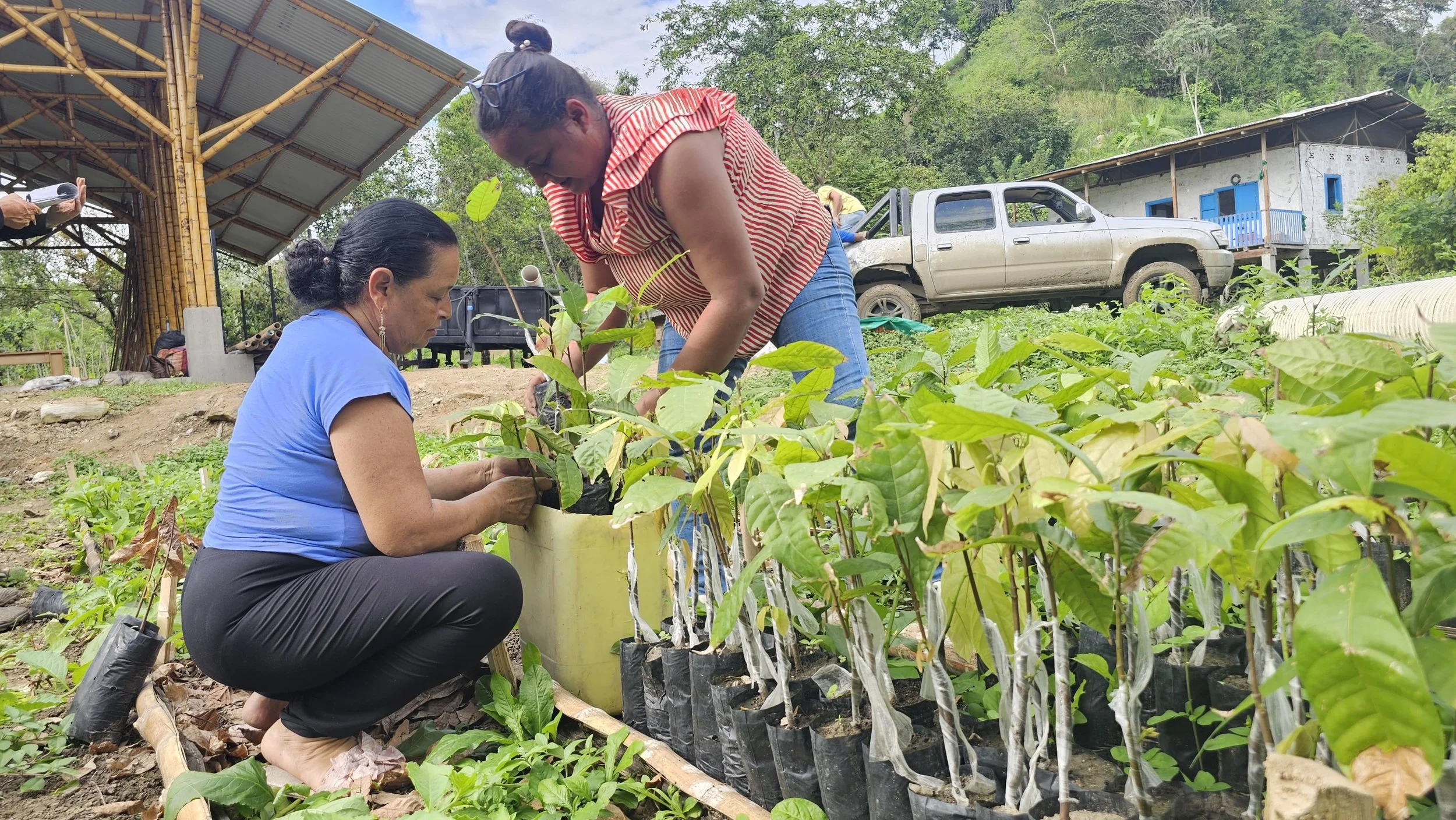
Returning farmers expand successful plots into larger demonstration systems. New participants enter through practice-based training. Farmer-promoters assume greater responsibility for regional coordination, peer learning, monitoring, and continued support.
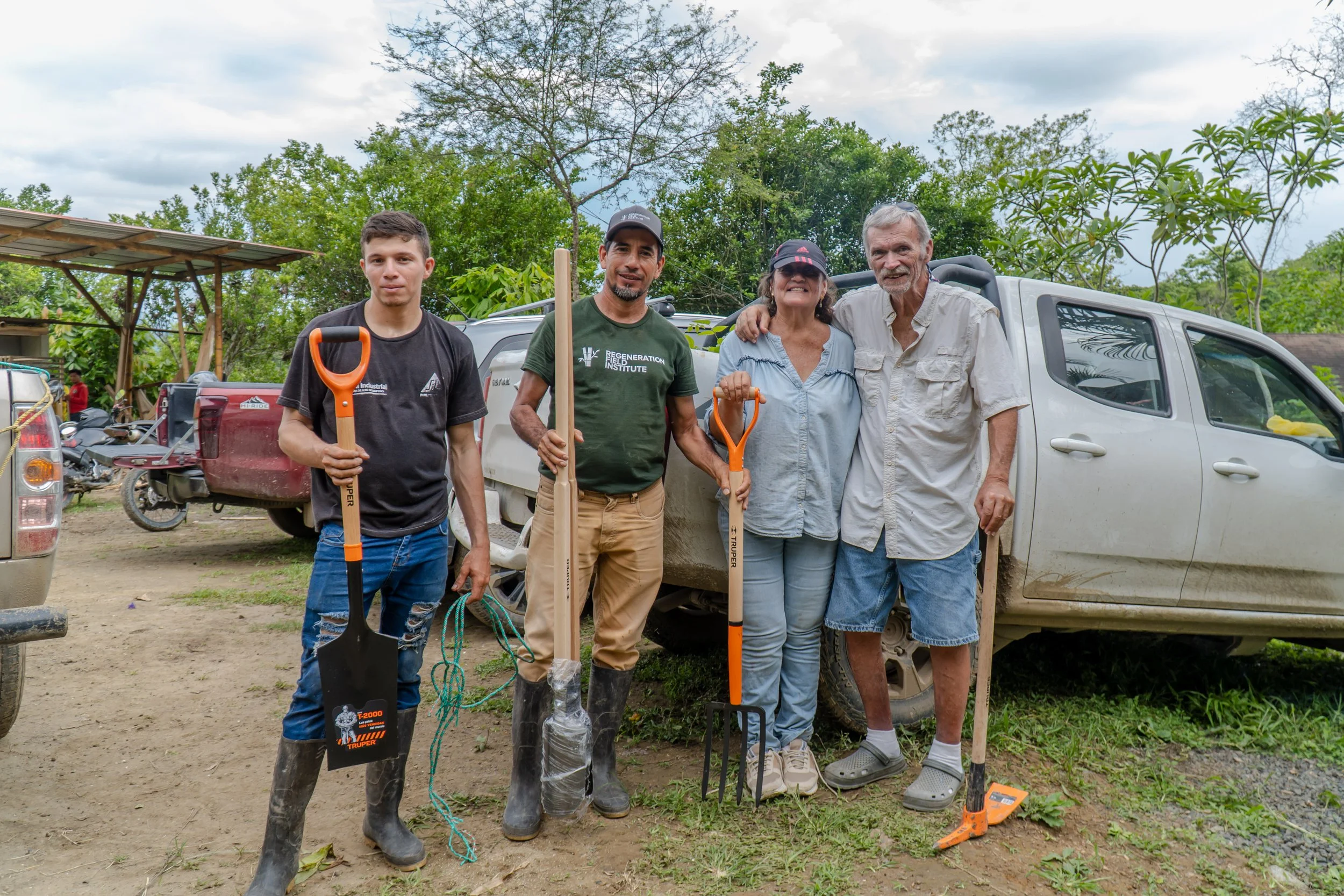
farmers establishing their first agroforestry practice plots
returning farmers expanding successful systems toward 0.5–1 hectare
farmer-promoters operating across the regional learning network
young people trained in technical pruning and system maintenance
agroforestry training plots projected across three program years
02 · Funding pathway
Direct support activates a larger project package.
The public campaign seeks the direct gifts and Rotary-club commitments needed to assemble the proposed grant structure.
Eligible contributions are expected to combine with partnering-district District Designated Funds and conditional World Fund participation. The final structure remains subject to confirmed commitments, eligibility, fund availability, and Rotary approval.
Individual gifts, Rotary club cash, and other documented direct commitments.
Partnering-district DDF and conditional World Fund participation under the proposed grant structure.
Rounded public funding goal for the complete 2027 implementation package.
The approximately three-to-one relationship is shorthand for this project-specific architecture—not an automatic or universal match applied independently to every donation.
03 · Proposed allocation
What the campaign operates.
The funding package treats education, planting materials, technical accompaniment, monitoring, and administration as one complete delivery system.
The percentages below describe the current allocation of the approximately $195,000 campaign package. Final shares may adjust with the approved grant budget and confirmed implementation requirements.
Farmer training and field support
54%Three field technicians, stipends for 20 farmer-promoters, workshops, training materials, food, lodging, logistics, and transport.
Agroforestry establishment
20%Cacao plants, tree seedlings, seeds, pruning tools, irrigation, installation materials, and transport.
Youth agroforestry employment program
4%A youth field team supporting pruning, establishment, and maintenance while developing practical rural skills.
Monitoring and soil health
8%Soil laboratory equipment, testing, monitoring visits, and data collection for ecological and economic outcomes.
Program coordination and administration
9%Coordination, financial management, reporting, and administrative support required to operate the full phase.
Contingency reserve
5%Coverage for unforeseen operational and implementation costs during the field cycle.
04 · Contribute
Make a direct contribution.
Use the donation form below to select a suggested or custom amount, choose one-time or recurring support, and complete your contribution through Building Carbon’s secure Squarespace checkout. Donations are tax-deductible as permitted by U.S. law.
The donation form identifies the applicable fund, processing terms, fee option, legal recipient, and receipt information before payment is completed.
05 · Partner routes
Fund through the structure that fits.
Rotary clubs, districts, foundations, and major donors require a different contribution pathway from individual online giving.
Building Carbon can provide the current proposal, budget, grant architecture, implementation record, and supporting documentation required for institutional review.
Rotary clubs and districts
Enter the proposed Global Grant pathway.
Review the project-specific roles of club cash, District Designated Funds, international sponsorship, grant approval, governance, and reporting.
Review the Rotary partnershipFoundations and major donors
Request the campaign package.
Begin a direct conversation about contribution structure, documentation, timing, designation, reporting, and due diligence.
Contact the campaign team06 · Campaign accountability
Funding is tracked through implementation.
Campaign reporting follows the decisions that matter: what funding is confirmed, what grant value is approved, what is procured and installed, and what continued monitoring shows.
Public updates will distinguish completed activity from proposed targets and document material changes to financing, scope, or schedule.
- 01
Commitments.
Confirm direct gifts, club cash, DDF, and other documented participation.
- 02
Grant decision.
Publish the approved financing structure and final implementation budget.
- 03
Procurement.
Track planting materials, irrigation, tools, equipment, and logistics.
- 04
Field delivery.
Document training, plot establishment, farmer-promoter activity, and youth participation.
- 05
Monitoring.
Report implementation status, observations, expenditures, lessons, and grant closeout.
07 · Campaign questions
What contributors need to know.
These answers define the current public campaign model. Final payment, grant, and receipt terms are governed by the applicable contribution and Rotary documentation.
Does every donation automatically receive a three-to-one match?
No. The approximately three-to-one relationship describes the proposed financing structure for this campaign as a whole. Final assembled value depends on eligible club commitments, partnering-district DDF, conditional World Fund participation, fund availability, and Rotary approval.
What counts toward the public campaign total?
The tracker includes confirmed donations and documented Rotary-club commitments only. Verbal pledges and anticipated repeat contributions remain outside the public total until formally confirmed.
Why does the campaign use both $65,000 and $195,000?
Approximately $65,000 is the direct commitment goal. Approximately $195,000 is the assembled project value expected through the complete proposed grant structure. Both figures remain rounded while the final grant configuration and budget are completed.
How should Rotary clubs and districts participate?
Clubs and districts should use the institutional route above to review host and international sponsorship, cash and DDF requirements, project timing, approval status, and reporting responsibilities before committing funds.
What happens if the final grant value changes?
Building Carbon will update the campaign record, distinguish confirmed financing from projections, and align implementation with the funding and restrictions ultimately approved.
Who receives an online contribution?
The secure payment flow identifies the legal recipient and applicable receipt terms before payment. Institutional and international contributors should confirm their route with the campaign team before transferring funds.