
Los Arboleros Farm · Chone, Manabí
A permanent field base for regenerative practice.
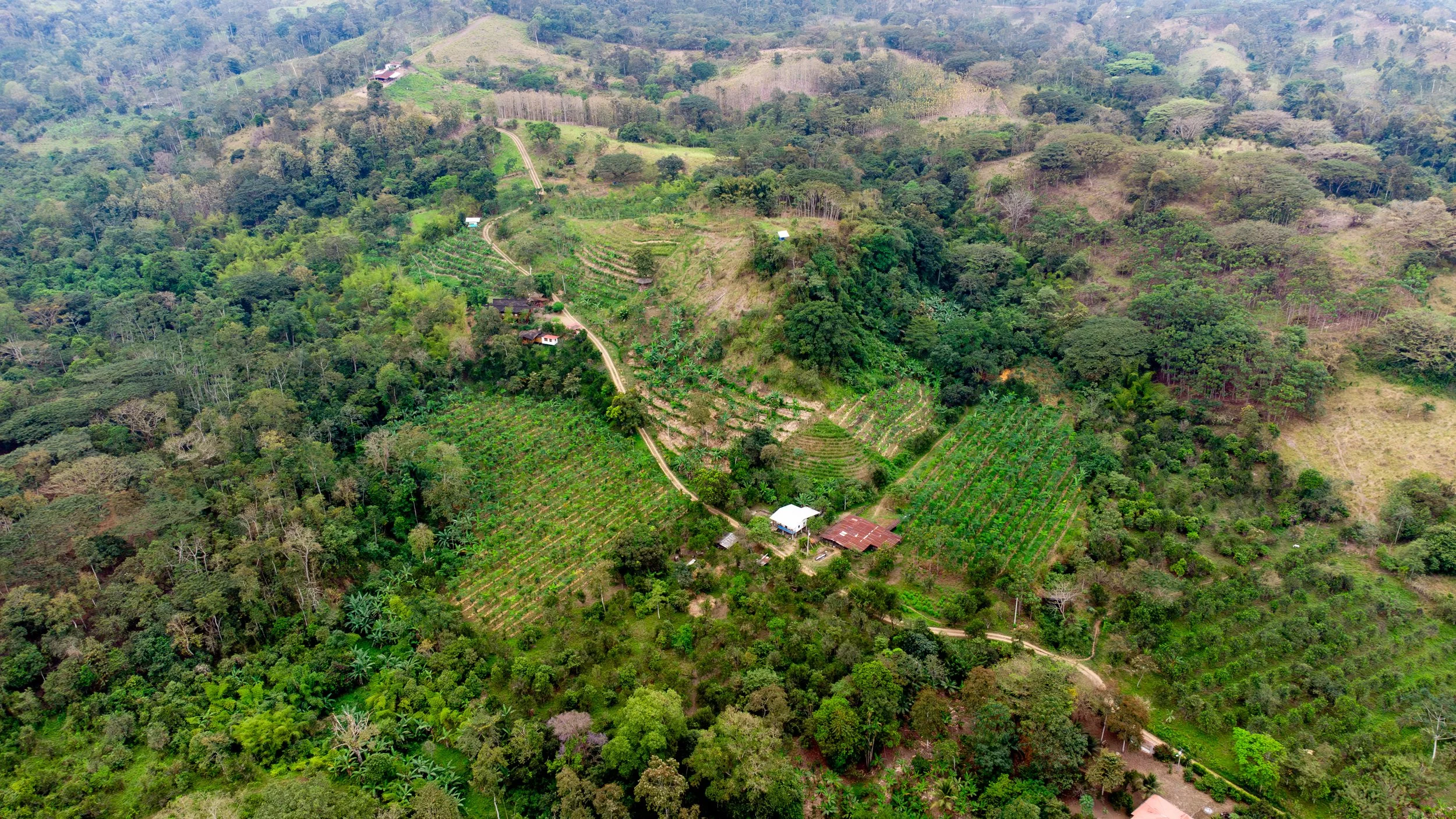
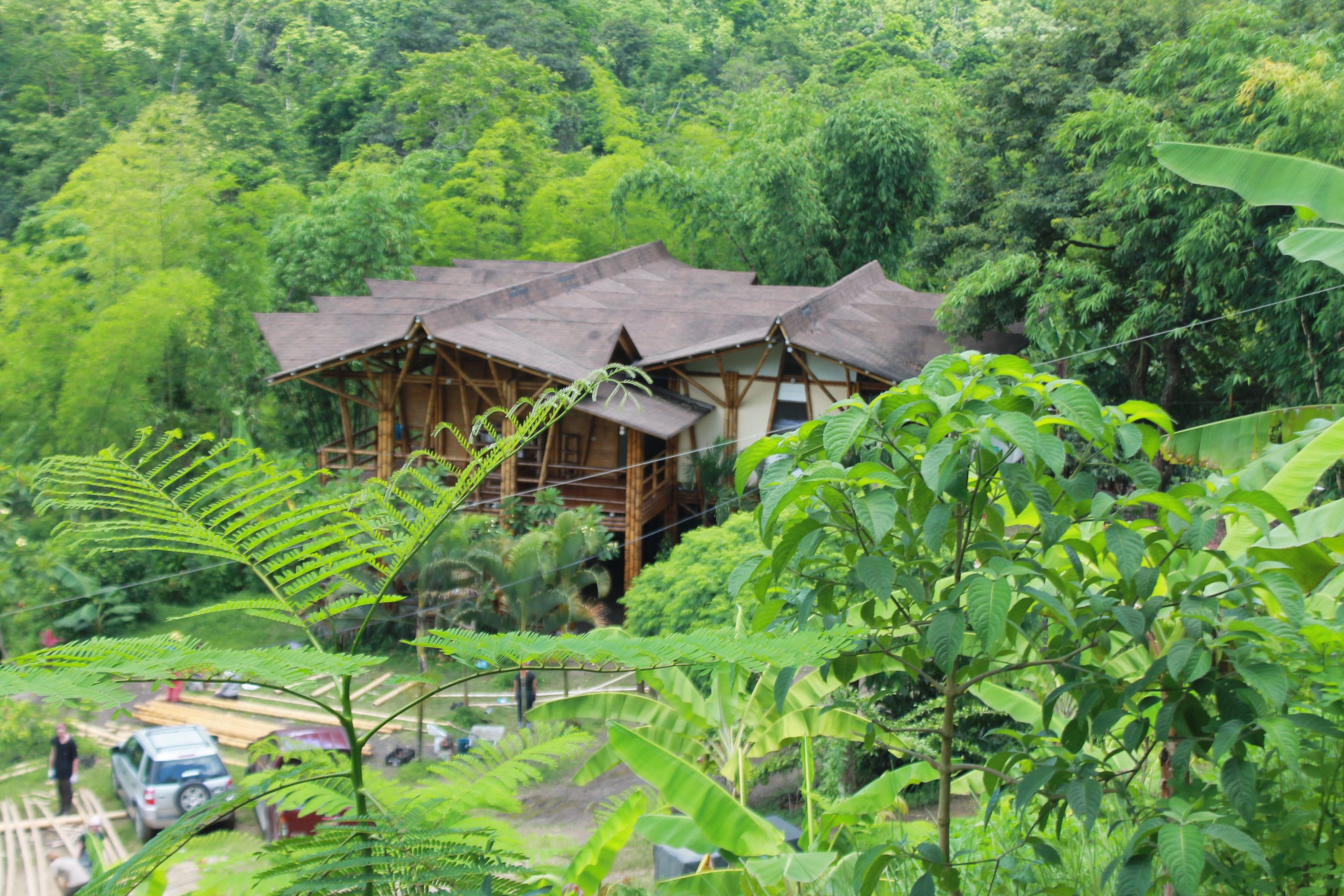
Established in 2017, Los Arboleros is an approximately 70-acre family-owned working farm and the headquarters of Regeneration Field Institute. Agroforestry, bamboo, ecological restoration, diversified production, and field education are tested and refined here under the real operating conditions of coastal Ecuador.
01 · Why the site matters
Methods need land, time, and maintenance.
Farmers’ land should not be the first test site.
A planting design can appear convincing on paper and still fail through a prolonged dry season, insufficient irrigation, depleted soils, uneven labor availability, or an unrealistic pruning schedule. Los Arboleros provides the continuity needed to expose those constraints before an approach enters wider implementation.
The farm is used to examine establishment, species compatibility, ecological succession, biomass management, soil cover, water access, field logistics, maintenance demands, and teaching sequences over time. The purpose is not to prescribe a fixed model, but to develop practices that can be understood, operated, evaluated, and adapted under local conditions.
02 · Field development
Nine years in the field.
Los Arboleros has evolved through continuous land management rather than a single project cycle. Its present role rests on accumulated work across bamboo, restoration, diversified production, successional agroforestry, immersive education, and applied research.
2017
A permanent site is established.
Los Arboleros becomes the land base for regenerative agriculture, bamboo cultivation, ecological restoration, production, and RFI programs in Chone.
2017–2021
The operating foundation takes shape.
Bamboo groves, diversified crops, water and access networks, restoration areas, workshops, and educational facilities establish the farm’s working infrastructure.
2022
Successional agroforestry begins at scale.
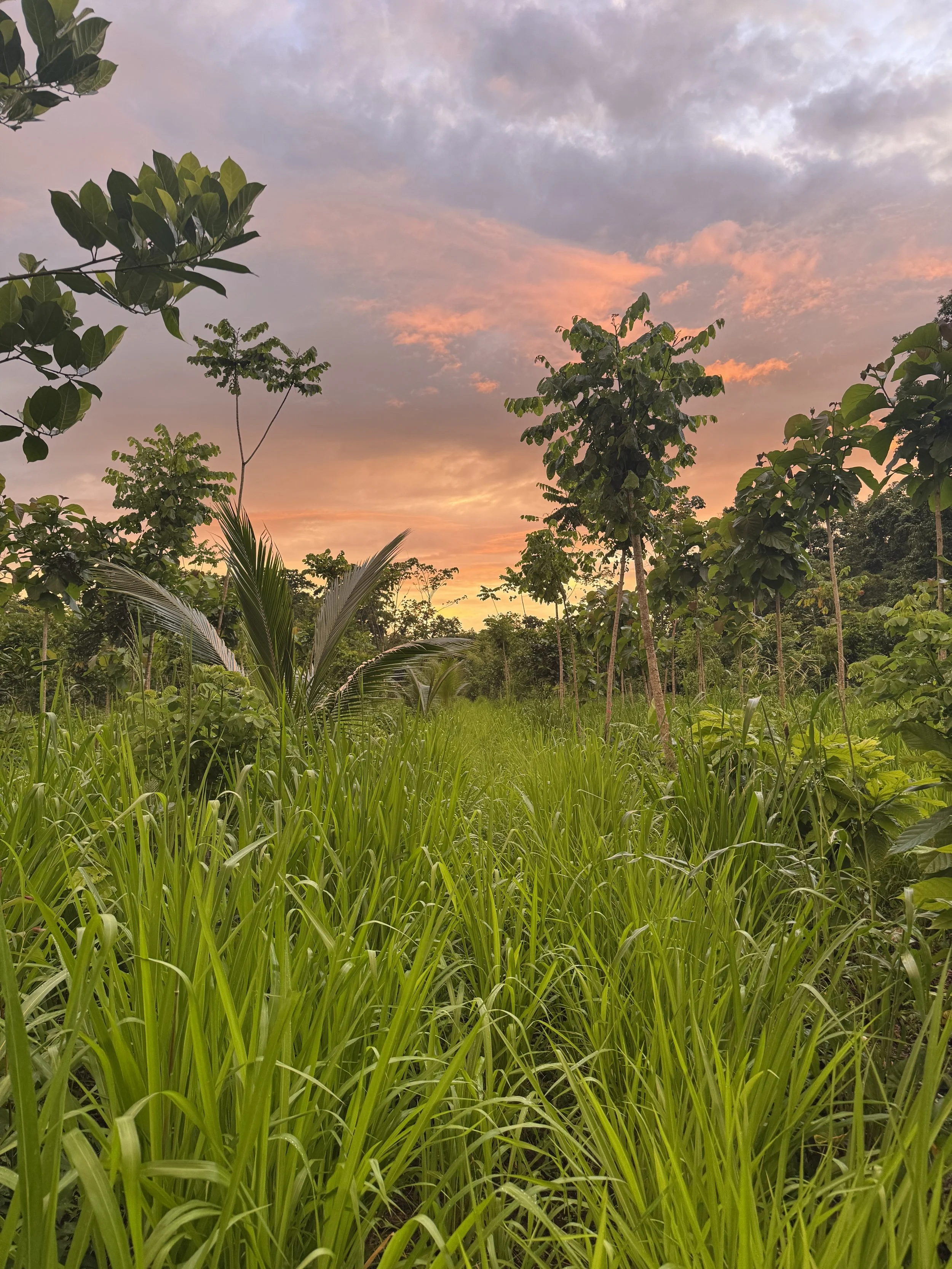
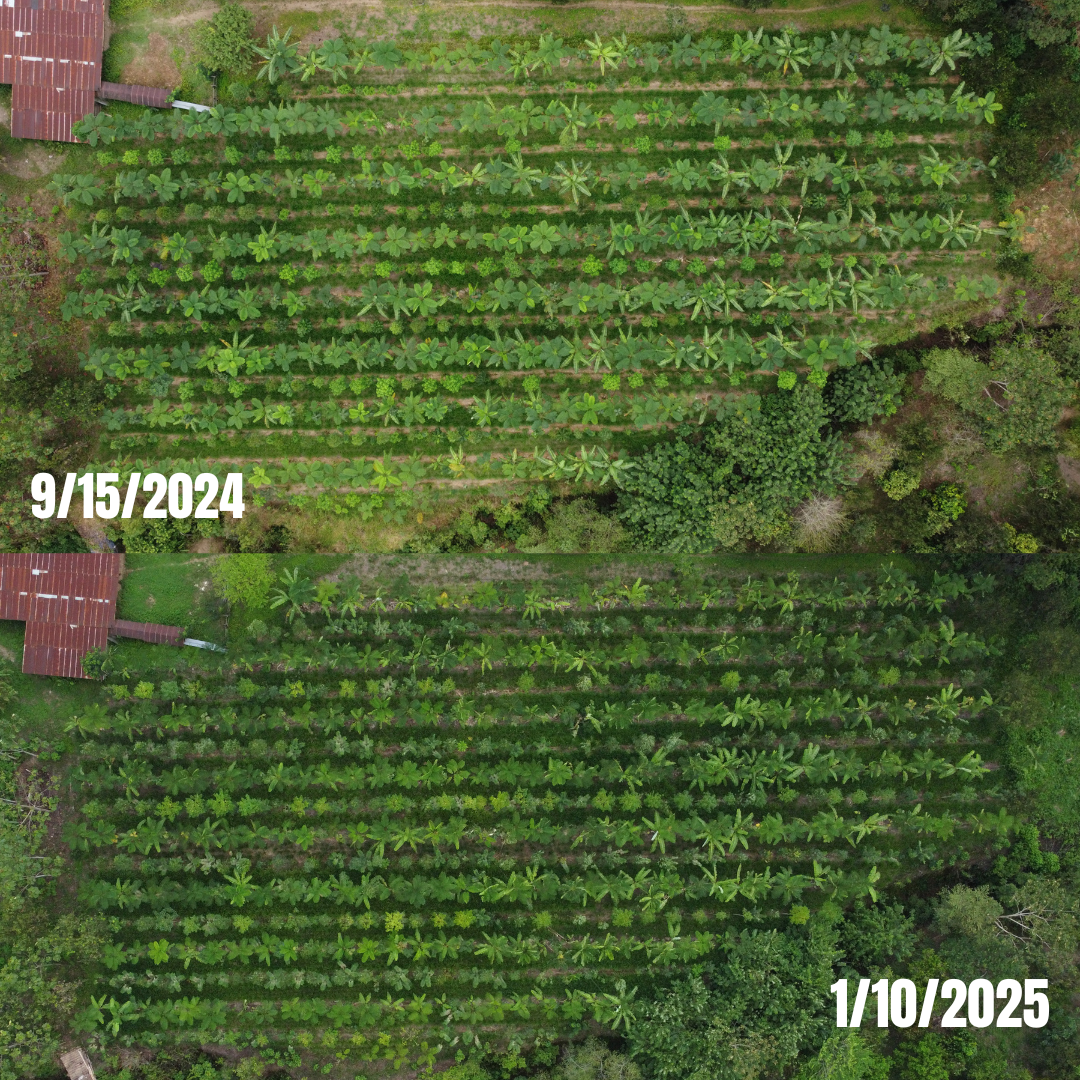
The farm establishes its first hectare-scale successional agroforestry system and begins testing dense, stratified production under local climatic and management conditions.
2023–2024
Agroforestry expands and teaching deepens.
Managed agroforestry grows beyond three hectares as workshops, field observation, species management, and soil-restoration practices continue to mature.
2025–2026
Field knowledge enters wider application.
Lessons from establishment, seasonal management, and technical instruction inform the first two phases of the Farmer Field School across coastal communities.
03 · The working landscape
More than a demonstration plot.
The farm operates as a managed mosaic. Research questions, production decisions, restoration work, education, and routine maintenance share the same land—and compete for the same water, labor, access, and time.
That complexity is part of the test. It reveals whether a regenerative approach can function within a real rural landscape rather than survive only as an isolated technical display.
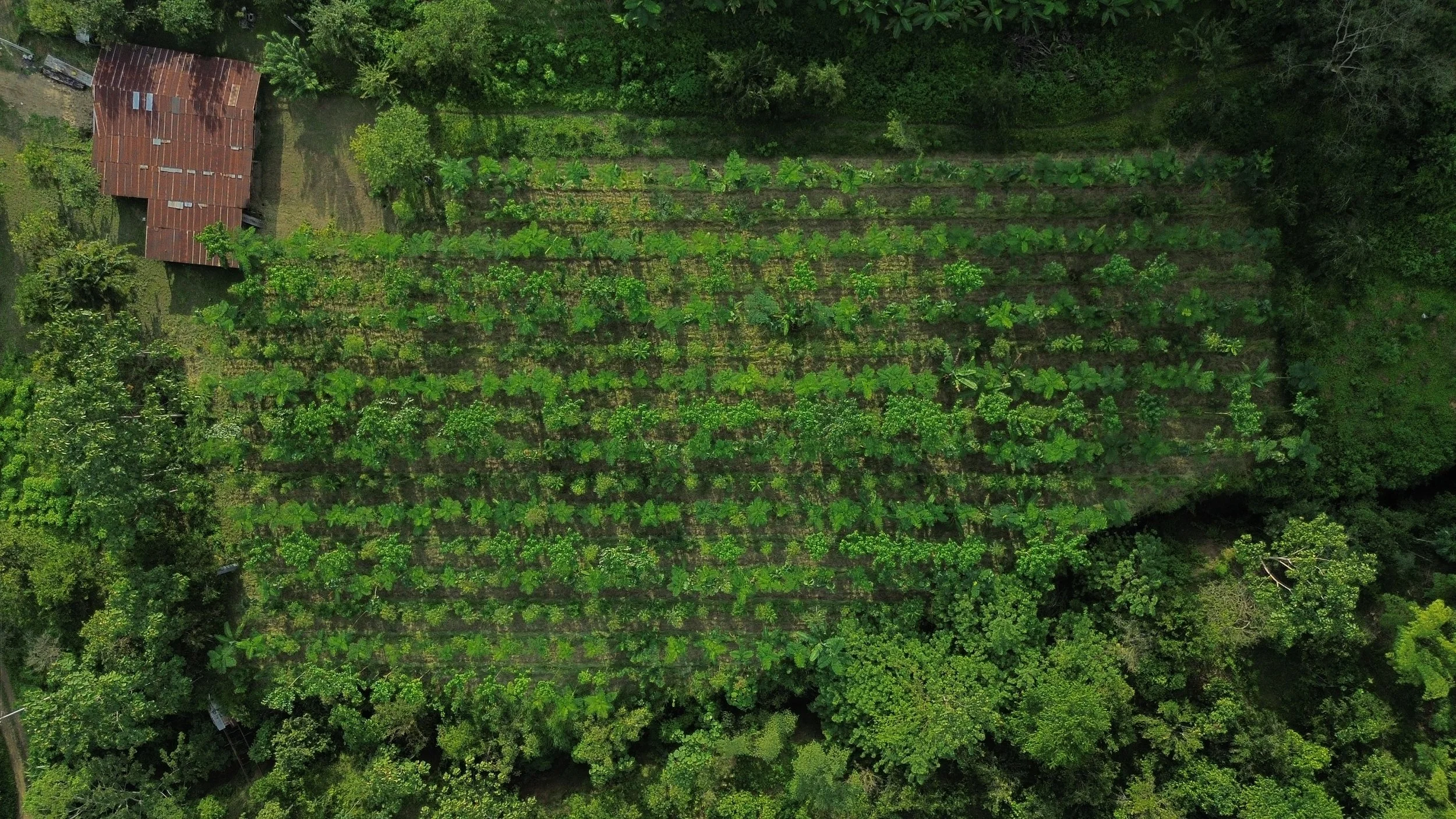
Planting design, pruning, biomass cycling, succession, species performance, and management intensity.
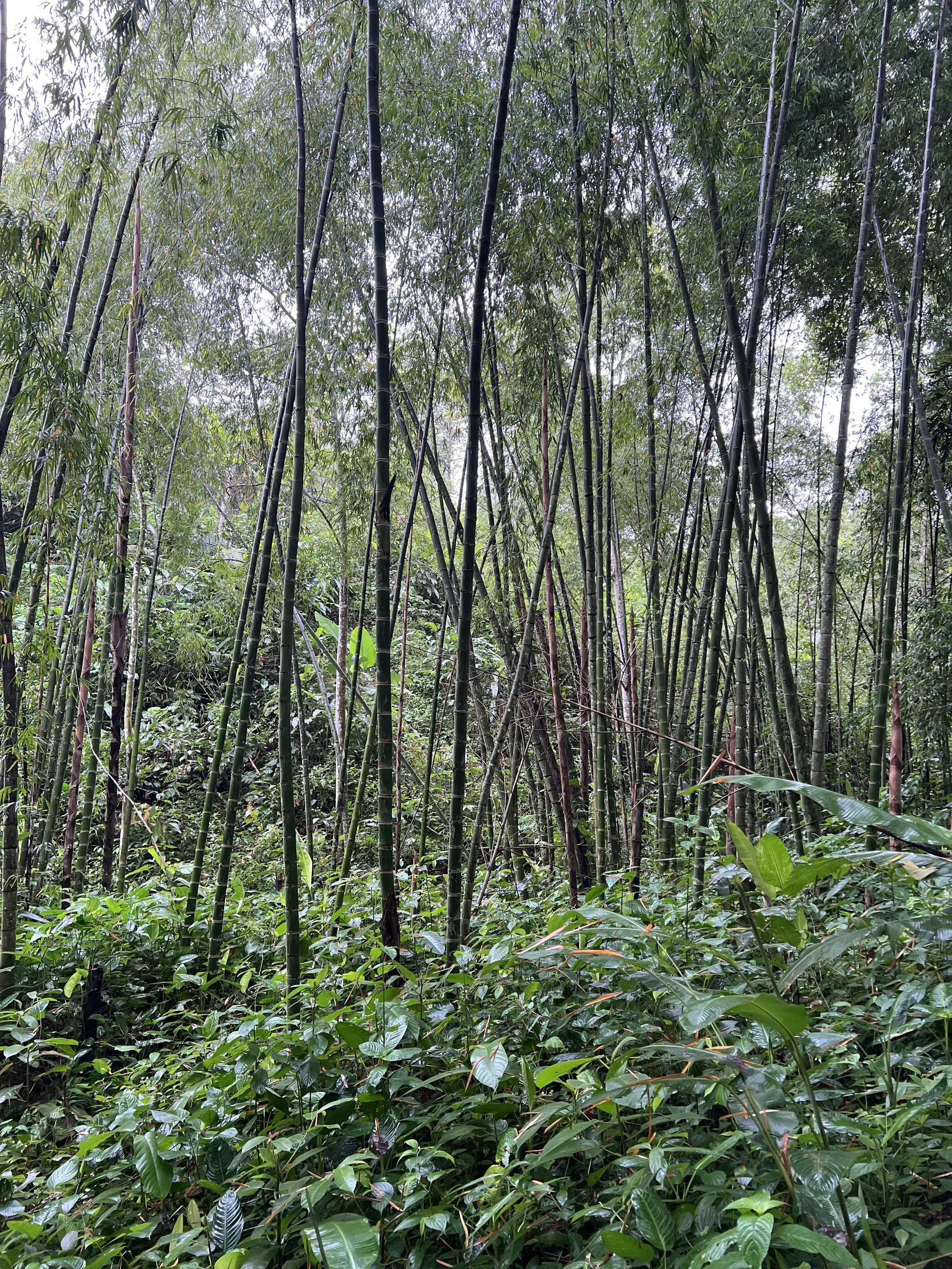
Cultivation, managed supply, preservation, workshop practice, and material development.
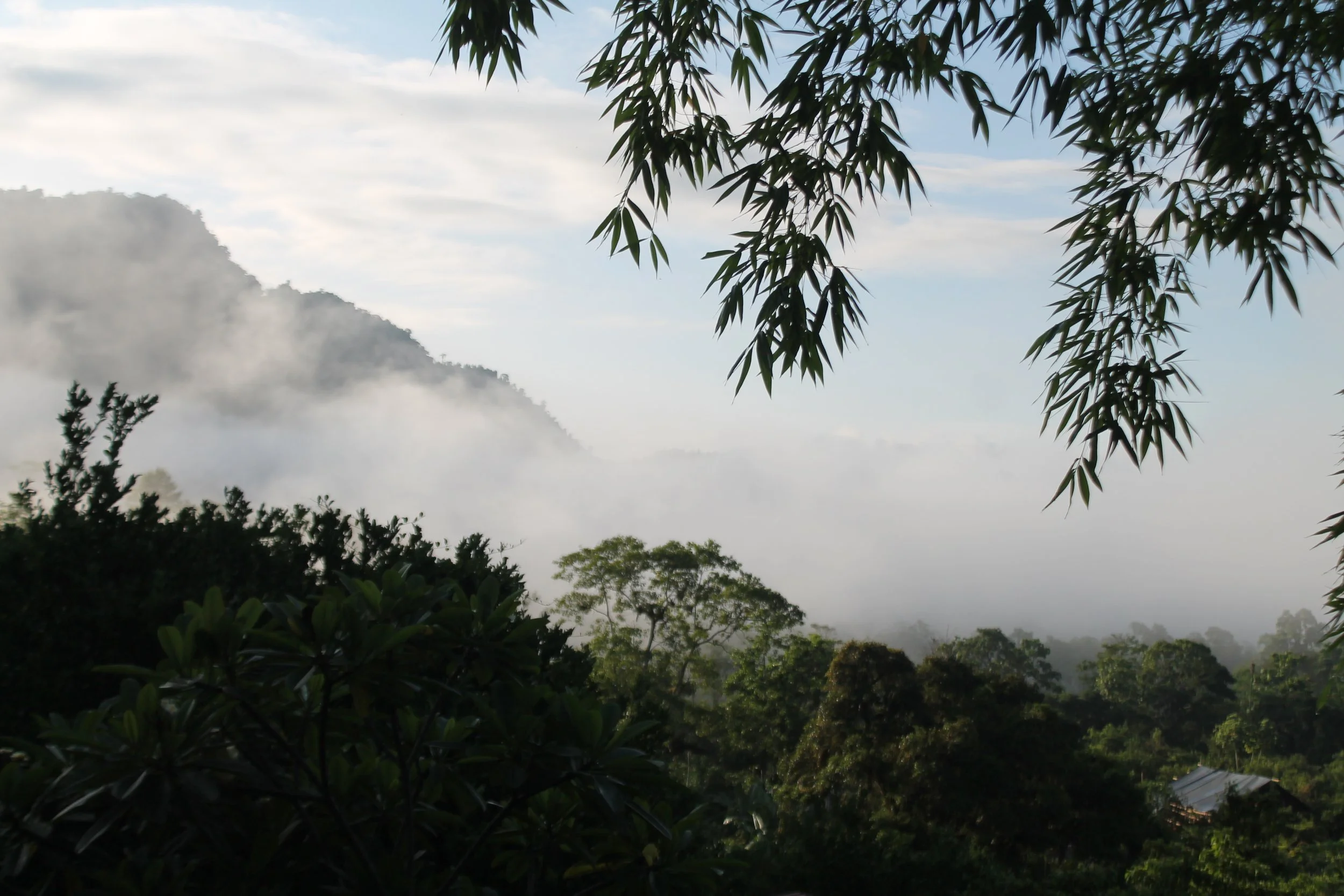
Ground cover, infiltration, erosion, watershed behavior, habitat, and dry-season response.
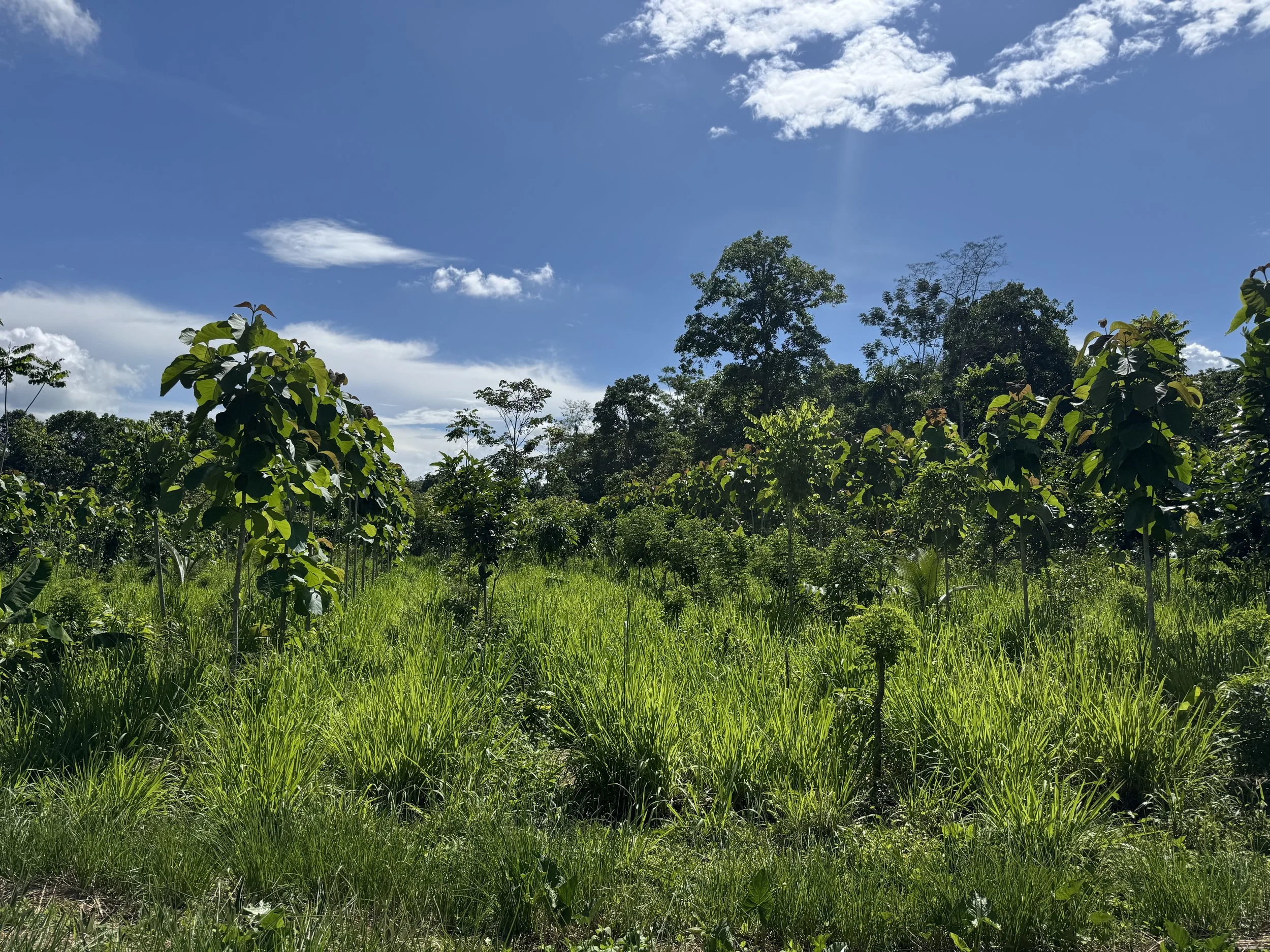
Year-round labor, harvest, access, maintenance, operating costs, and land-management decisions.
04 · From trial to application
Research moves by revision, not replication.
The relationship among Los Arboleros, Regeneration Field Institute, Building Carbon, and participating farmers is iterative. Experience is translated into practical methods, applied under new conditions, monitored through use, and revised through evidence.
-
01
Observe at Los Arboleros.
Seasonal constraints, management responses, species behavior, labor, water, and landscape development are examined over time.
-
02
Structure through RFI.
Applicable knowledge becomes demonstrations, field exercises, research questions, and technical instruction.
-
03
Implement through Building Carbon.
Funding, partnerships, technicians, materials, farmer-promoter leadership, and reporting support broader application.
-
04
Return evidence to the farm.
Decisions and monitoring from participant-owned plots reveal new constraints and strengthen the next cycle of training and technical support.
05 · Evidence infrastructure
Long-term work makes change observable.
Continuity makes it possible to distinguish establishment from performance, seasonal response from durable change, and promising results from practices that can be sustained.
Monitoring may include survival and growth by species, succession, pruning and biomass production, irrigation and labor requirements, soil biological and physical indicators, infiltration, erosion, and habitat use. Failure, maintenance burden, and management adjustments remain part of the record—not exceptions edited out of it.
06 · Field stewardship
Continuity is maintained by people.
A permanent site produces meaningful knowledge only when labor, observation, and responsibility continue between workshops and project cycles. Los Arboleros is sustained through year-round technical direction and daily field operations.

Management and technical direction
Lucas Oshun
Leads farm management and the development of agroforestry, bamboo, restoration, and applied field programs.

Farm management and operations
Dixon Olmedo
Coordinates crews, pruning, harvest, and operations across timber, turmeric, bamboo, and agroforestry areas.
Farm management and implementation
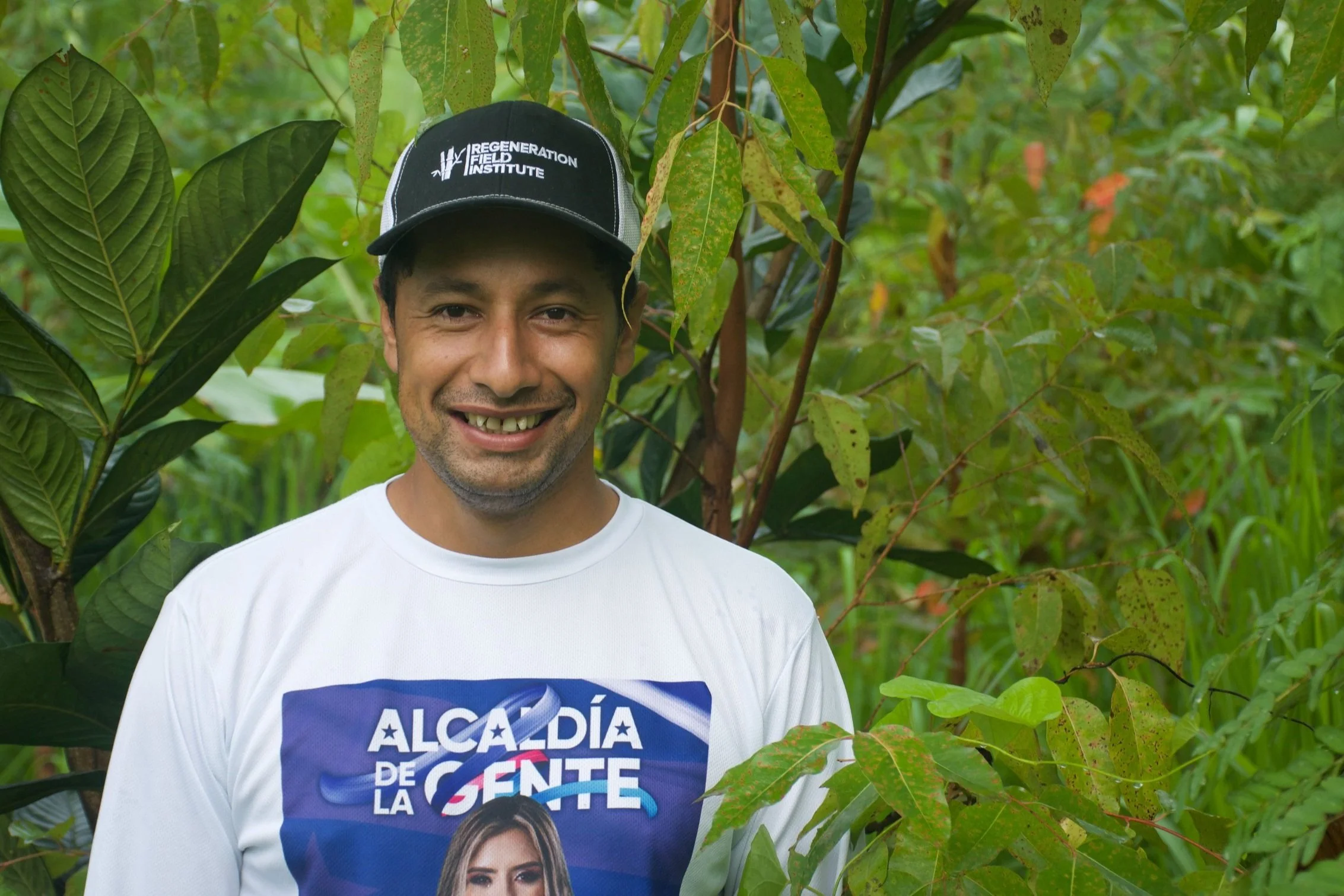
Darwin Olmedo
Manages year-round maintenance, pruning, harvest, trails, bamboo, and the daily work required to sustain the site.
07 · Current field record
The landscape continues to change.
Los Arboleros is not a completed demonstration. Its fields are pruned, expanded, repaired, harvested, observed, and revised through every wet and dry season.
Follow current field work08 · Connected work
One field site within a larger system.
Los Arboleros supplies the land, infrastructure, and continuity. Education, applied research, financing, project delivery, and community-scale work are advanced through connected but distinct institutions and programs.